Man With Van in Hadley Wood

Man With Van Hadley Wood provides practical moving support for households and smaller business loads that need careful handling, sensible planning and straightforward transport. The service is built around loading, carrying and delivering items with attention to access, timing and the condition of the belongings involved. For customers moving a few rooms, a flat, office items or individual bulky pieces, the aim is to make the process clear, orderly and manageable from the first enquiry to completion.
We handle a broad range of removals work, including local home moves, single-item collections, furniture pick-up and commercial moves where a van-based service is the right scale. If you need a compact move without the complexity of a full removal lorry, the service can be a sensible fit. Careful loading, route planning and practical packing support all help keep the job efficient while reducing avoidable disruption.
The pages below show related services and useful information if you are comparing options or planning a move. You can read more about man and van removals if you want a wider overview of this type of work, or look at home moves for residential moving support. If you are preparing for a larger relocation, the same approach can also be adapted through commercial moves and other service pages that explain how different removals are handled.
Household Moving Support

Household moves are often less about scale and more about the details: fragile items, awkward furniture, stairs, shared entrances and the need to keep rooms usable until the last stage. A man with van service is useful where a customer wants enough vehicle space and lifting help for a proper move, but not a large multi-vehicle operation. It can suit furnished flats, smaller houses, student properties and short-notice changes of address where flexibility matters.
When planning a home move, we focus on how to load the van in a sensible order so that the most important items are accessible and the heavier pieces are secured. Beds, wardrobes, tables, boxed goods and everyday household contents all benefit from the right sequence. For many jobs, the best result comes from a simple plan: identify the largest pieces first, decide what should travel together, and keep delicate items separated from dense or sharp-edged loads.
Helpful preparations are usually straightforward. A brief list of what is going, what needs dismantling and whether there are access constraints can make the move easier to organise. If there are narrow hallways, parking restrictions or items that need two people to lift, that information helps set the job up properly. For a closer look at domestic removals, see house removals or review house movers if you want another page that explains similar household moving work.
Furniture, Single Items and Smaller Collections

Not every job is a full property move. Sometimes the most useful service is a vehicle with loading support for one sofa, a bed frame, a wardrobe, a desk or several items bought from a shop or online marketplace. Furniture collection is a practical part of man and van work because it balances transport and handling without requiring the customer to arrange a separate specialist service. It is especially relevant where items are heavy, awkward or too large for a regular car.
Single-item and partial-load jobs benefit from careful judgement. A dining table may need blankets and straps, a mirror may need extra separation from harder items, and flat-packed furniture still needs protection from shifting in transit. We can help with furniture pick-up when the item is ready to go but needs transport to a home, storage space or workplace. Where a customer only needs the movement of selected pieces, this can keep the process simpler than booking a full property removal.
For related information, the pages on furniture pick-up and removal van describe the sort of moving work that can suit this kind of service. If you are comparing vehicle-based options, moving van and moving truck can also help you think through the scale of the load and the space likely to be needed. Good preparation starts with the items themselves, not with how much extra packaging you can find.
Commercial and Office Moving Tasks

Business moves often need a different kind of planning from domestic work. Desks, files, small cabinets, stock, boxed equipment and meeting-room furniture may all need moving with attention to labelling, access and continuity of use. A van-based removals service can support office relocation when the items are manageable in size and the schedule needs to be controlled without the cost or disruption of a larger operation. That can suit small offices, studios and workspaces with staged relocations.
Office and commercial moving work often comes down to sequencing. Items that are used daily may need to be loaded last and unloaded first, while archive boxes, spare furniture and infrequently used equipment can travel earlier. Where there are multiple rooms or departments, clear grouping helps prevent lost time at the destination. We also deal with the physical side of the move itself: carrying, protecting the contents and placing items where they belong once they arrive.
If you need to compare this type of service with other commercial pages, office removals is the most direct match, while office relocation services gives a broader view of workplace moves. For a more general overview of available services, removal services and removal company are useful starting points. A brief call or message with the key details usually makes quotation planning much simpler.
Packing, Carrying and Protection
Moving support is not only about transport. The way items are packed, wrapped and loaded has a direct effect on how well they arrive. Boxed possessions need weight distributed sensibly, fragile things should not be crushed beneath heavy goods, and furniture benefits from being stabilised so that it does not slide during transit. Packing and unpacking services can be useful when a customer wants help turning a pile of belongings into a move that is easier to handle.
There are some practical choices to make before the van is loaded. Soft goods may be grouped together, appliances should be prepared according to the customer’s own guidance and manufacturer instructions, and breakable items are often safer when separated from mixed household contents. The idea is not to overcomplicate the job, but to prevent unnecessary movement and reduce avoidable handling. Packing and unpacking services explain this part of the work in more detail, while removals van is helpful if you are checking vehicle-based transport options.
Two simple steps usually improve a quotation request. First, note the larger pieces and any items that need disassembly or extra protection. Second, think through access at both ends: stairs, parking, narrow entrances or long carries can all affect how the work is organised. Clear information helps us plan the load properly, but it does not need to be a long document. A short summary is often enough to start the conversation.
Pricing, Load Size and Service Scope

Quotation work for a man with van job usually depends on practical details rather than a one-size-fits-all formula. The amount of furniture, number of boxes, distance travelled, access at each end and whether lifting help is required all matter. A straightforward local collection may be quite different from a multi-stop move, even if the van is the same size. That is why the most useful quote is based on the actual load and the route rather than on a generic estimate.
There are also decisions about scope. Some customers want transport only, while others need loading help, carrying between floors, or support with picking up items from more than one location. The right approach is to match the service to the move instead of adding unnecessary extras. If you are comparing options, pricing and quotes is the clearest page for understanding how enquiries are handled, and removals near me may be useful if you are simply exploring the service range available.
For a smooth quotation, it is worth gathering a few basics: the start and end points, the main items, any heavy or fragile pieces, and whether there are time limits or restricted parking. We do not need every minor detail at once, but the more accurate the outline, the easier it is to shape the move properly. If you are ready to discuss a job, ask for a quotation and we can help you work out the most suitable approach.
About Hadley Wood
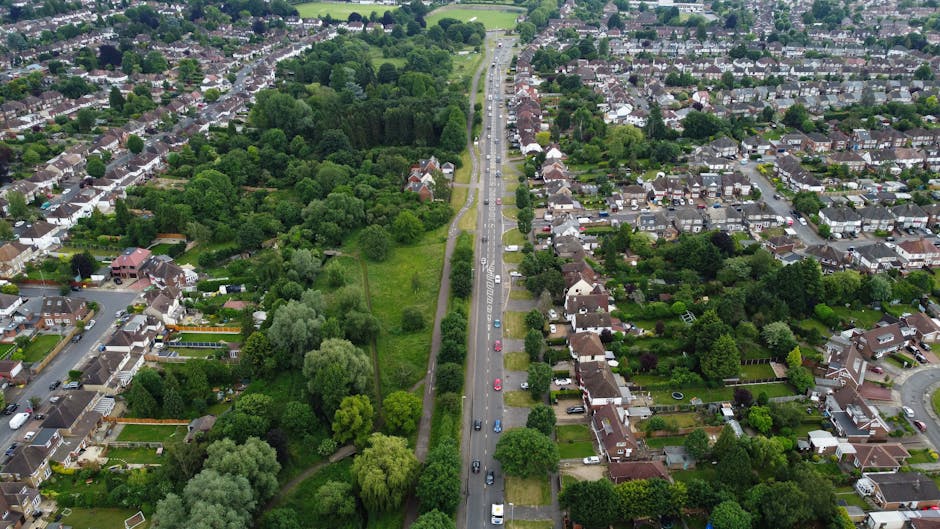
Hadley Wood is a suburban area in north London, close to the boundary between the London Borough of Enfield and Hertfordshire. It developed around Hadley Wood station, which opened in 1885 on the East Coast Main Line, giving the area a railway-linked character that still shapes its identity. The settlement is known for its relatively spacious residential streets, mature trees and green surroundings, with Hadley Wood itself forming part of the local landscape and giving the district its name. The wider setting includes nearby countryside and open land associated with the edge of the capital, so the area sits between urban London and the more rural character of adjoining parts of Hertfordshire. Architectural interest appears in the mix of late Victorian, Edwardian and later houses, many set on tree-lined roads with larger plots than are typical in denser inner-London districts. The local centre around Crescent West and the station area provides shops and services, while nearby roads connect towards Barnet, Cockfosters and other north London districts. Golf has long been part of the area’s identity too, with Hadley Wood Golf Club adding to the open, landscaped feel of the locality. This combination of transport history, suburban growth and generous greenery gives Hadley Wood a distinctive profile within outer north London.
Service Options for Different Moves
Man with van work is flexible because not every customer needs the same level of support. Some jobs involve a single collection and delivery, others combine home contents with garden or garage items, and some involve mixed loads where furniture, boxes and loose belongings all travel together. The service is useful where a customer wants a balanced approach: enough capacity for a proper move, but without the scale of a full removal team and large vehicle fleet. It can also suit people who prefer a direct, practical moving arrangement.
Different pages on the site reflect those variations. man and van removals gives a general overview of the core service, while man with van removal and man with van are useful if you are comparing service wording and scope. The more general removals page can help when you are still deciding whether your job is a full move, a partial load or a simple collection.
Because each move is different, it helps to think in terms of what actually needs moving rather than trying to fit the job into a fixed category. A few bulky items may matter more than a stack of lighter boxes, and one awkward staircase can be more significant than several short stops. The main goal is to choose a service that fits the load sensibly and keeps the move straightforward from start to finish.
Planning Access, Timing and Handling
Good removals work depends on access as much as it does on vehicle space. A loading bay, front drive, narrow street, upper-floor flat or shared entrance can all affect how the job is arranged. If the route from property to van is long, or if parking is limited, that needs to be considered when planning the move. Careful handling becomes especially important when there are tight corners, staircases or items that are difficult to rotate safely.
Timing matters for the same reason. A move is easier to organise when both ends are ready, the main items are identified and there is a sensible order for loading and unloading. If dismantling is needed, that should be known in advance. If there are fragile surfaces, glass sections or valuable fittings, those should be isolated and protected before the van is loaded. This is where a simple checklist can be more effective than vague reassurance. The job should feel organised, not improvised.
For customers who need to understand the practical side of the operation, the insurance and safety page gives additional context, and health and safety policy is useful for seeing how safety responsibilities are described. Where site conditions or item handling raise questions, these pages can sit alongside the quotation discussion. The aim is to make the move safer and easier to manage without overloading the process with unnecessary complexity.
Helpful Information Before You Enquire
When you are ready to request a quote, a few practical details make the conversation easier. It helps to know the collection and delivery points, the main items to be moved and whether any pieces are especially heavy, fragile or awkward. If there are stairs, access restrictions or tight parking conditions, mention those too. That does not mean creating a full inventory. A concise overview is normally enough to let us understand the work and respond appropriately.
It is also useful to think about what is included in the move and what is staying behind. If there are items in storage, at a second property or at a business address, say so early. For some jobs, one vehicle journey is enough; for others, the work is split into stages or pickups. The more clearly the load is described, the easier it is to judge the most suitable service. You can review the contact route through contact us when you are ready to make that first step.
Short enquiries are perfectly acceptable. You do not need to write an essay, and you do not need to guess the exact vehicle size if you are unsure. A simple message with the essentials is enough to start. Request a quotation when you are ready, and keep the details focused on the move itself so the response can be as accurate as possible.