Access solutions for narrow roads in Hadley Wood homes
Posted on 10/06/2026
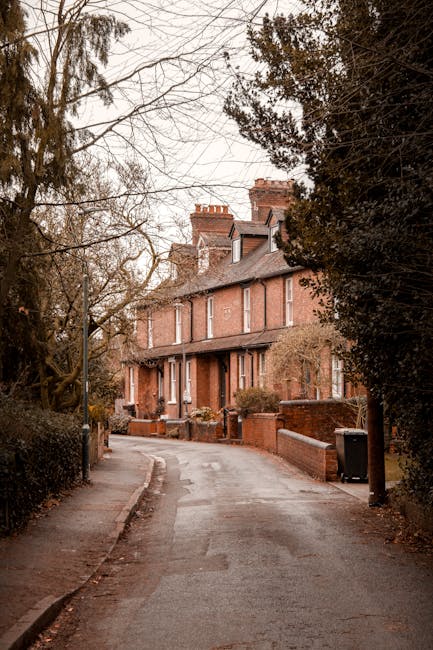
![A narrow paved sidewalk running alongside a residential street, bordered by a wooden picket fence and a dense canopy of green and brown-leaved trees. On the left, the thick trunk of a prominent mature tree is visible, with rough textured bark. The sidewalk is scattered with fallen leaves, indicating an autumn setting. In the background, a section of the street with parked cars and utility poles can be seen, with dappled sunlight filtering through the tree branches. This scene exemplifies a typical urban residential area with limited road space, highlighting potential challenges for home relocation and furniture transport in narrow roads, which [COMPANY_NAME], such as Man with Van Hadley Wood, assist with for professional house removals and moving services.](/pub/blogphoto/access-solutions-for-narrow-roads-in-hadley-wood-homes1.jpg)
Narrow streets can turn a simple move into a bit of a chess game. In Hadley Wood, where some homes sit behind tight driveways, parked cars, bends, and occasionally awkward turning space, access solutions for narrow roads in Hadley Wood homes matter more than most people expect. The challenge is not just getting a van close to the property; it is about making sure the move stays safe, efficient, legal, and calm from first lift to final box. If you are planning a house move, flat move, or bulky furniture delivery, this guide walks you through the practical side of it without the fluff.
You will find out what access planning actually involves, why it saves time and stress, and how to avoid the common traps that catch people out on local roads. There is also a checklist, a comparison table, and a realistic example based on the kind of streets and property layouts you tend to see around EN4. Let's face it, nobody wants a van stuck halfway across the road at 8:30 in the morning while everyone else is trying to get past.
Why access planning matters in Hadley Wood
Access is rarely the glamorous part of a move, but it is often the part that decides whether the day feels organised or chaotic. Narrow roads change the whole rhythm of a removal. A van may need to stop further away from the property. The crew might have to carry furniture a longer distance. Parking may need to be arranged carefully so neighbours are not inconvenienced and traffic does not build up behind the vehicle.
Hadley Wood has a mix of property styles and road layouts, from quieter residential lanes to streets that pinch at corners or become harder to navigate when cars are parked on both sides. That matters because access affects everything: loading time, labour effort, item safety, and sometimes even the size of vehicle that can be used at all. A move that works perfectly on paper can become awkward very quickly if the van arrives and cannot safely get near the front door.
In practice, the biggest reason access planning matters is simple: it reduces uncertainty. When the route, parking position, and carrying distance are worked out in advance, everyone knows what to expect. That means fewer delays, fewer surprises, and fewer chances for damage. It also helps with fragile or heavy items, which are much easier to move when the route is clear and direct.
Expert summary: narrow-road access is not just a transport issue; it is a full move-planning issue. If access is poor, even a well-packed property can become slow, risky, and unnecessarily expensive to handle.
If you are already working through other parts of the moving process, it can help to read a broader guide like your guide to an effortless and stress-free house move or the practical advice in packing perfection strategies for moving house. Access and packing decisions tend to go hand in hand, honestly more than people realise.
How access solutions for narrow roads in Hadley Wood homes work
Access solutions are the methods and decisions used to make a move workable when the road outside the property is too tight for easy vehicle positioning. That might mean choosing a smaller vehicle, planning a shuttle transfer, arranging temporary stopping points, using extra carrying equipment, or splitting a move into stages. There is no single answer that suits every property, which is why local judgement matters.
The process usually starts with a quick access assessment. This can be done from photos, a video walk-through, a site visit, or a conversation about the road width, parking layout, and any obstacles outside the house. Good planning looks at more than the road itself. It also checks for overhanging trees, low walls, steep drives, timed parking restrictions, traffic flow, and whether there is enough space to turn a van safely.
From there, the move plan is adjusted. For example, if a standard van cannot sit close to the entrance, a man and van approach may be better than trying to squeeze in a larger vehicle. If the street has limited stopping space, the crew may need to unload quickly from a legal position and carry items a short distance. If the property has difficult stairs or awkward internal layouts, specialist handling may be needed for larger pieces.
That is why services like man with a van Hadley Wood, man and van Hadley Wood, and removal van Hadley Wood can be especially useful in tight-access situations. The point is not the label. The point is matching the vehicle and crew setup to the road outside your home.
For many homes, the best outcome comes from combining vehicle choice with careful packing and route planning. If the furniture is dismantled in advance, boxed efficiently, and labelled properly, the whole operation becomes much smoother. You can see the same idea reflected in efficient ways to declutter for a stress-free move and your essential guide to moving beds and mattresses, both of which touch on reducing bulk before moving day.
Key benefits and practical advantages
Good access planning gives you more than convenience. It changes the feel of the entire move. The most obvious benefit is faster loading and unloading, because the carry distance is shorter and the route is clearer. That usually means less physical strain on the team and less chance of scuffed walls, bumped corners, or damaged flooring.
There is also a financial side to it. A move with poor access often takes longer, which can increase labour time. It may also require more than one trip, a smaller van than expected, or additional handling for heavy pieces. None of that is ideal when you are already juggling keys, boxes, and the usual moving-day panic.
Another practical benefit is reduced disruption to neighbours and other road users. Narrow roads can become awkward if a vehicle blocks the route for too long. When access is thought through in advance, stops can be shorter, loading can be more orderly, and the move is less likely to create friction on the day. That sounds like a small thing until you are the person waiting in a queue of cars behind a removal van.
Access planning also protects delicate or valuable items. If you know that a sofa, bed base, or piano will need to be carried further than usual, you can prepare wrapping, straps, and extra hands accordingly. For larger or more complex items, specialist handling becomes even more important. A helpful reference point is avoid the pitfalls of DIY piano moving by understanding its complexities, because pianos and narrow access are not a combination to improvise around.
- Less time spent manoeuvring the vehicle
- Lower risk of wall, doorframe, and driveway damage
- Better handling of awkward or heavy furniture
- Improved safety for movers and residents
- Fewer delays caused by traffic, parking, or turning issues
Who this is for and when it makes sense
Not every home in Hadley Wood needs the same access strategy. If you have a broad driveway and generous turning space, you may only need basic planning. But if your property sits on a road where cars are frequently parked, the footway is tight, or the vehicle must stop a little way from the entrance, then access solutions become essential rather than optional.
This is especially relevant for homeowners moving bulky furniture, families with lots of boxed items, landlords arranging tenant changes, and anyone moving into or out of a flat where stairwells and shared entrances add another layer of difficulty. It also matters for office or business moves where timing is tighter and access mistakes are more expensive. If you are dealing with a full-property move, the broader structure of house removals Hadley Wood or flat removals Hadley Wood can help frame the right approach.
In our experience, access planning is most valuable when one or more of the following applies:
- The road is too narrow for easy two-way passing
- Parking is limited or tightly controlled
- The property has a long driveway, tight bend, or stepped entrance
- Large items such as sofas, wardrobes, or appliances need moving
- You want to avoid disturbing neighbours or blocking traffic
- The move involves same-day timing or a short handover window
If you are trying to decide whether a smaller vehicle or more flexible service is a better fit, pages like services overview and same day removals Hadley Wood can be useful context. Access issues and timing issues often arrive together. Funny how that works.
Step-by-step guidance
The safest way to handle narrow-road access is to treat it like a small project, not a guess. Here is a practical sequence that works well for many Hadley Wood homes.
- Measure the road and the access point. If possible, note the road width, whether cars park on both sides, and how much room there is outside the property entrance.
- Check the turning space. A van may get in but struggle to turn around, especially if a driveway is narrow or blocked by overgrowth.
- Look at the route from van to front door. Count steps, gates, slopes, and any tight corners inside the property boundary.
- Identify bulky items early. Sofas, beds, wardrobes, freezers, and pianos may need dismantling or special handling.
- Choose the right vehicle strategy. Sometimes a smaller van is better. Sometimes a larger one parked further away is fine. The answer depends on the layout.
- Plan the loading order. Items needed first at the new home should be loaded last, and fragile goods need easy access.
- Prepare parking and timing. Early starts, clear communication, and realistic unload windows reduce problems.
- Keep the route clear. Move bins, bikes, loose pots, and anything else that can snag a trolley or twist an ankle.
A small detail can make a big difference here. If the property is awkward, do a five-minute walk-through at the exact time you expect the van to arrive. Morning light, street parking, and traffic movement can change quickly. What looked fine at midday can feel very different at 7:30 a.m.
For people who want a more structured approach to the whole move, packing perfection strategies for moving house is a useful companion piece. Good packing and good access planning reinforce each other. They really do.
Expert tips for better results
There are a few small habits that consistently make narrow-road moves easier. First, communicate clearly about the property layout before moving day. Photos help a lot. A quick video from the pavement to the front door is even better. It gives a mover a realistic sense of what they are walking into, and that saves a lot of back-and-forth later.
Second, do not underestimate the value of breaking items down. A wardrobe that comes apart cleanly is easier to carry than one that has to be wrestled through a tight entrance in one piece. The same goes for bed frames and large tables. If you need a reminder of why this matters, your essential guide to moving beds and mattresses covers a lot of the practical thinking behind large-item handling.
Third, think about what is happening on the road itself. A narrow lane with school traffic, delivery vans, or on-street parking can change by the hour. You want a moving window that avoids the busiest period if possible. That is not always possible, of course. Life has a sense of humour like that. But if you can choose, pick the calmer slot.
Fourth, protect the property as if the route is longer than it looks. Use door protectors, floor coverings, and wrapping on corners and vulnerable surfaces. A longer carry increases the chance of accidental contact, especially when moving in and out repeatedly. This is where attention to detail really pays off.
Finally, keep one person focused on the access route itself. If someone is guiding the van, they should not be doing three jobs at once. It sounds obvious, yet people often try to manage calls, keys, and route directions all at the same time. That is usually where things get messy.
Common mistakes to avoid
The most common mistake is assuming that a van will "just fit". On narrow roads, a few inches matter. A vehicle that technically squeezes through may still be awkward, unsafe, or impossible to manoeuvre once parked. If the driver has to reverse for a long distance or mount the kerb, the whole move starts to become risky.
Another frequent problem is underestimating carry distance. People focus on the front gate or the driveway entrance, but forget the route from where the van can safely stop. Ten extra metres sounds minor until you are carrying a washing machine or a heavy bookcase in and out, several times, through a damp front path.
It is also easy to ignore neighbours and parking rules. Even when you are not legally blocking anything, a van parked badly can still create tension. The better approach is to keep the route tidy, minimise waiting time, and plan where any loading will happen. If you want a more local angle on parking concerns, avoid driveway fines safe parking for EN4 removals is a relevant read.
Other mistakes worth avoiding:
- Booking the vehicle before checking access conditions
- Leaving bulky furniture assembled when it should be dismantled
- Forgetting to protect the walls, doorway, and hallway corners
- Not allowing enough time for awkward loading
- Trying to move items alone that really need two people or more
If a move includes heavy lifting, it is worth taking the handling advice seriously. Resources like mastering self-lifting moving weighty objects alone, a beginner's guide to kinetic lifting, and mastering self-lifting moving weighty objects alone can help show why technique matters. Bad lifting plus tight access is a poor combination, to put it mildly.
Tools, resources and recommendations
You do not need a huge toolkit, but a few practical items can make narrow-road access much easier. Dollies, shoulder straps, moving blankets, furniture sliders, door protectors, and decent tape are all common-sense basics. For particularly bulky items, a dismantling kit and labelled bags for screws and fittings are worth their weight in gold. Or at least close to it.
Here is a simple way to think about the core tools and what they help with:
| Tool or resource | Best use | Why it helps on narrow roads |
|---|---|---|
| Dolly or sack truck | Boxes, appliances, and stacked loads | Reduces carrying strain when the van cannot park directly outside |
| Furniture blankets | Sofas, tables, wardrobes, and cabinets | Protects items during longer carries and awkward turns |
| Straps and ties | Securing items inside the van | Stops movement if the driver needs to brake or take a slower route |
| Door and floor protection | Entrances and hallways | Prevents marks from repeated trips through narrow gaps |
| Video walk-through | Pre-move assessment | Helps identify turning issues, steps, and carrying distances before the day |
For heavier or more delicate possessions, it can help to read up on item-specific handling. The articles on long-term sofa care and preservation, freezer storage when not in use, and moving-out cleanliness are not about narrow roads directly, but they support a more organised and damage-free move overall.
Law, compliance and best practice
When a van is used on narrow roads, the move must still respect normal road safety and parking expectations. That sounds straightforward, but in practice it means checking that stopping is lawful, the vehicle is not obstructing access, and other road users can pass safely where possible. If there are local parking controls or driveway considerations, these should be taken seriously rather than guessed at on the day.
Good practice also means planning in a way that reduces risk to people and property. Movers should use safe lifting methods, keep pathways clear, and avoid rushing in a way that creates avoidable accidents. In the UK, health and safety responsibilities are a standard part of professional moving work, even for smaller jobs. You do not need a lecture about every regulation, but you do need a sensible, careful approach.
That is also why it is worth checking company information that speaks to safety, service standards, and customer care. Pages such as health and safety policy, insurance and safety, terms and conditions, and payment and security can help you understand how a provider works before you book.
If sustainability matters to you, access planning can help there too. Fewer failed attempts, fewer repeat trips, and better vehicle choice all support more efficient use of fuel and time. That links naturally with recycling and sustainability, especially if you are also decluttering as part of the move.
Options and comparison table
There are several ways to solve narrow-road access problems. The best option depends on how tight the road is, how much you are moving, and how much room there is outside the property. Below is a simple comparison to help you think it through.
| Option | Best for | Advantages | Limitations |
|---|---|---|---|
| Smaller van | Very tight roads or narrow turns | Easier manoeuvring, less obstruction | May require more trips or careful packing |
| Standard van parked further away | Moderate access with legal stopping nearby | Good balance of capacity and flexibility | Longer carry distance |
| Two-stage transfer | Restricted roads with poor direct access | Useful when a large vehicle cannot approach the property | More handling, more time, more coordination |
| Pre-dismantling bulky furniture | Large items blocking narrow entrances | Easier carry, lower damage risk | Needs preparation and careful reassembly |
| Specialist handling for heavy items | Pianos, appliances, oversized furniture | Improves safety and protects valuable items | May need extra planning or equipment |
For some customers, the right answer is simply a flexible service rather than a fixed-size approach. That is where removal services Hadley Wood or removal companies Hadley Wood can be useful to compare. Sometimes the best access solution is the one that keeps everyone calm and the furniture intact.
Case study or real-world example
Imagine a family moving from a detached home on a quiet Hadley Wood road where the pavement is narrow and cars are parked close to the kerb. The driveway is usable, but only for a small vehicle or for a very careful approach. The family has a corner sofa, a bed frame, a freezer, and a few heavier boxes packed with books and kitchenware.
At first glance, the move looks straightforward. Then you notice the bend outside the house is awkward for a larger van, and the only realistic stopping point is a short distance away from the front gate. That changes the plan quite a lot. Instead of forcing a bigger vehicle into a cramped spot, the mover chooses a smaller van, loads the bulkiest items first, and keeps the route from house to vehicle as clear as possible. The bed frame is dismantled in advance, the freezer is secured properly, and the sofa is wrapped before it ever leaves the lounge.
On moving day, the team arrives early, walks the route, and uses a quick hand-carry system from the entrance to the van. There is no drama, no blocked road, no panicked reversing. A few extra minutes of planning save a lot of stress later. Truth be told, that is usually what good access planning looks like: a series of small sensible choices that prevent bigger problems.
If the move includes particularly large or valuable pieces, specialist support is often worthwhile. That is especially true for items such as pianos or oversized furniture. A related guide like Hadley Wood Golf Club event move organisers checklist is useful if you need to think about timing, access, and coordination on a larger scale.
Practical checklist
Use this before moving day. It is simple, but it catches a lot of the usual problems.
- Measure the road outside the property and note any parked-car pinch points
- Confirm where the van can legally stop without causing an obstruction
- Take photos or a short video of the access route
- Check gates, steps, slopes, and turning points
- Dismantle large furniture if it will improve access
- Label fragile and heavy items clearly
- Protect floors, corners, and doors
- Plan the loading order by item size and unloading priority
- Keep parking and timing realistic, not optimistic
- Have a backup plan if the road is busier than expected
A useful extra step is to sort your belongings before the move. If you are reducing volume, look at efficient ways to declutter for a stress-free move. Fewer items generally means fewer access headaches. That is one of those boring truths that just keeps proving itself.
For packing supplies, the page on packing and boxes Hadley Wood can help you think through what to use, while storage Hadley Wood may be useful if you need to stage items rather than move everything in one go.
Conclusion
Access solutions for narrow roads in Hadley Wood homes are really about making a move fit the reality outside your front door. Once you stop treating access as an afterthought, everything else becomes easier: loading, lifting, timing, parking, and even neighbour relations. A move that respects the road is usually a move that respects the property too.
The key is to plan early, match the vehicle to the space, and keep the route as simple as possible. If your home sits on a tight road, do not assume the day will sort itself out. It rarely does. A little preparation now can save a lot of heavy breathing later, and maybe a small bit of swearing too.
Get a free quote today and see how much you can save.
And if you are still in the planning stage, take it one step at a time. That calm, practical approach tends to carry the whole move. One good decision leads to the next, and before long the difficult part is behind you.
![A narrow paved sidewalk running alongside a residential street, bordered by a wooden picket fence and a dense canopy of green and brown-leaved trees. On the left, the thick trunk of a prominent mature tree is visible, with rough textured bark. The sidewalk is scattered with fallen leaves, indicating an autumn setting. In the background, a section of the street with parked cars and utility poles can be seen, with dappled sunlight filtering through the tree branches. This scene exemplifies a typical urban residential area with limited road space, highlighting potential challenges for home relocation and furniture transport in narrow roads, which [COMPANY_NAME], such as Man with Van Hadley Wood, assist with for professional house removals and moving services.](/pub/blogphoto/access-solutions-for-narrow-roads-in-hadley-wood-homes3.jpg)