Enfield Council removals permits: Hadley Wood guide
Posted on 22/06/2026
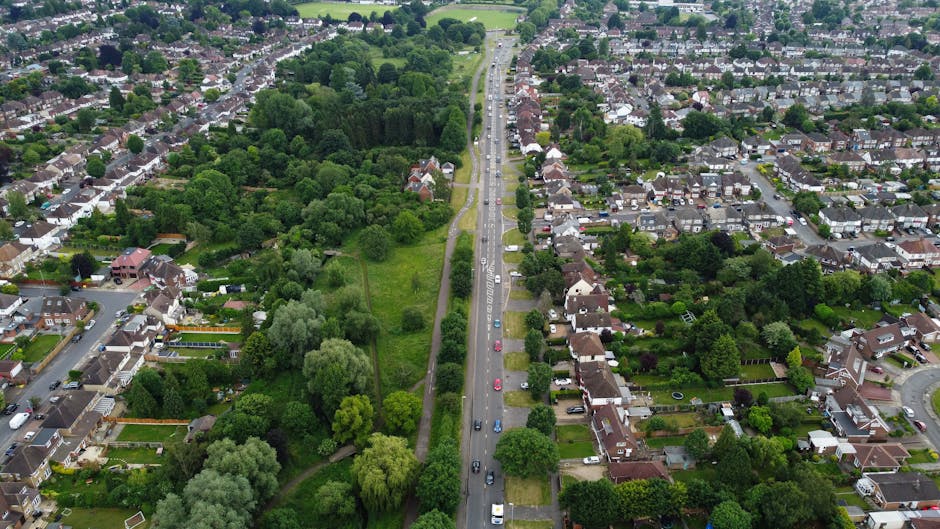
If you are moving in or out of Hadley Wood, the parking part of the job can be the bit that catches people out. The boxes may be packed, the sofa wrapped, and the kettle already in a box marked "kitchen," yet one poorly parked van can create delays, neighbour complaints, or a very awkward morning. This Enfield Council removals permits: Hadley Wood guide is here to make the process less stressful and far more predictable.
In plain English, you will learn when a permit or parking arrangement may be needed, how to plan ahead, what mistakes to avoid, and how to keep your move moving without unnecessary drama. We will also cover practical local access issues around Hadley Wood, because truth be told, narrow roads and busy kerb space can matter just as much as the move itself.
For a smoother overall move, it also helps to think ahead about packing and lifting. You might find our guides to packing strategies for moving house and an effortless, stress-free house move useful while you organise the rest of the day.
Why Enfield Council removals permits: Hadley Wood guide Matters
Parking and access are not side issues during a move. They are part of the move. In Hadley Wood, where homes can sit on quieter residential roads, access can feel easy on a normal day and suddenly become tight once a removal van arrives. A van that cannot stop safely near the property can waste time, increase carrying distance, and make everything a little more tiring than it needs to be.
That is why removals permits, parking permissions, and sensible advance planning matter. They help you avoid the classic moving-day scenario: the team is ready, the sofa is half out the front door, and someone is wandering up and down the street trying to find a legal place to stop. Not ideal. Not at all.
For local moves, the biggest value is usually simple: less uncertainty. If you know where the vehicle can stop, whether any restrictions apply, and how close the van can get to the entrance, the whole day becomes calmer. You also reduce the chance of complaints from neighbours, blocked driveways, or last-minute reshuffling of your schedule.
Local road layout matters too. If your move involves a narrow lane, a tight turn, or a property with limited frontage, it may be worth reading our access advice for narrow roads in Hadley Wood homes alongside this guide. The two topics go hand in hand.
How Enfield Council removals permits: Hadley Wood guide Works
Every move is different, so it is best to think of removals parking as a planning exercise rather than a one-size-fits-all rule. In general, if a van will need to occupy road space in a controlled, restricted, or otherwise sensitive area, you may need to arrange a permit or confirm the local parking rules in advance.
That does not always mean a formal permit is required. Sometimes the answer is a temporary parking arrangement, a loading-only pause where permitted, or simply choosing a better time of day. Other times, especially where parking restrictions are active, a permit or authorisation step is the safer route. The key is not to assume. The road outside a house can look harmless and still be full of rules once you read the signs properly.
There are a few practical factors that usually shape the decision:
- the road type and width
- existing parking restrictions
- how long the van needs to stay outside
- whether the move is residential or commercial
- how close the vehicle can safely get to the property
- whether the property is on a corner, bend, or busy access point
In day-to-day moving work, the best approach is often to plan parking before packing the last box. That way, the loading sequence can be organised around actual access rather than hopeful guesswork. It sounds obvious, but it is one of the most common things people leave too late.
If you are still in the packing phase, decluttering before moving can also reduce the number of trips the van needs to make. Less stuff, fewer lifts, less stress. Simple, but effective.
Key Benefits and Practical Advantages
Sorting out removals permits and parking arrangements early has a few very real benefits, and not just the obvious ones.
- Shorter loading time: When the van is close to the door, items move faster and with less strain.
- Lower risk of fines or objections: Better planning reduces the chance of parking issues or complaints.
- Safer lifting conditions: Fewer long carries mean less chance of dropped items or tired backs.
- Better coordination: The move team, the driver, and the household all work from the same plan.
- Less disruption to neighbours: A tidy, well-managed stop is usually more considerate than repeated parking changes.
There is also a less obvious benefit: confidence. A move already involves enough moving parts. When parking is sorted, people tend to settle down a little. You can hear the difference in the house, honestly. Less "where should we put this?" and more "right, next box."
For heavier items such as wardrobes, beds, or awkward furniture, it helps to pair parking planning with handling advice. Our article on moving beds and mattresses safely is a practical companion piece, especially if you are trying to keep routes short and safe.
Who This Is For and When It Makes Sense
This guide is useful if you are:
- moving house within Hadley Wood
- relocating to or from a flat where roadside space is limited
- organising a business or office move
- using a man and van service for a same-day job
- moving bulky furniture, delicate items, or several rooms at once
- living on a road where parking is often tight, busy, or closely watched
It also makes sense if you are not sure whether the van will need to stay put for long. Some moves are quick load-and-go jobs. Others turn into a half-day operation because of stairs, awkward access, or a final sweep through the loft. If there is any chance the vehicle will be in one place for a while, plan as though parking matters. Because it probably does.
People moving from larger homes can benefit too. A bigger property often means more trips, more items, and more chances for the van to become part of the street scene. If that sounds familiar, our Trent Park house move logistics guide offers a useful way of thinking about bigger moves, even if your property is not quite that scale.
Step-by-Step Guidance
Here is a straightforward way to manage the parking and permit side of the move without overcomplicating it.
- Check the road outside both properties. Look at signage, kerb markings, and obvious loading limitations. If the road feels tight, assume access will be tight when a van is there.
- Estimate how long the vehicle will need to stop. A quick mattress move is different from a full family relocation. Be realistic, not optimistic.
- Confirm whether any special arrangements are needed. If the property sits in a restricted or busy area, parking permission may need to be sorted in advance.
- Choose the loading order. Put the heaviest, largest, or most awkward items near the door first so the van can be loaded efficiently.
- Protect walking routes. Keep a clear path from the property to the van. A cluttered hallway slows everything down more than people expect.
- Brief everyone involved. Make sure family members, flatmates, or staff know where to park, where not to park, and who is handling access.
- Leave a little time buffer. Even a well-planned move can run long if parking is busier than expected. Buffer time saves tempers.
One small but important detail: if your move involves a loading bay, shared drive, or driveway edge, think in terms of the van's turning space as well as its parking space. A stop that looks fine on paper can be awkward once doors open and people start carrying tall items. That is where many people get caught out.
And yes, if you are also lifting heavy furniture yourself, it is worth brushing up on safer handling methods. A quick read of how to move weighty objects alone and basic kinetic lifting principles can help you avoid that sharp, regrettable twist in your lower back.
Expert Tips for Better Results
In practice, the best removals days are rarely the ones with the most elaborate plans. They are the ones with a few smart decisions made early.
- Pick your arrival window carefully. Early starts can be calmer, but only if the street and household are actually ready.
- Keep the vehicle layout in mind. If the van has a tail lift, side access, or restricted loading space, plan the parking angle before the crew arrives.
- Reduce unnecessary items. If something can be sold, recycled, or stored, deal with it before move day. Fewer items mean fewer loading complications.
- Protect items that are awkward to manoeuvre. Sofas, mattresses, and large appliances need space to turn, not just space to stand.
- Have a fallback plan. If the nearest stop is taken, know the next best option before the van pulls up.
A small human tip from experience: always walk the route from the front door to the van once, slowly, with your eyes on corners and thresholds. It takes thirty seconds and can save a whole lot of grumbling later. Also, someone will almost always trip over the same doorstep if nobody points it out first. It happens.
For delicate or specialist items, timing matters even more. If you are moving a piano, for example, don't treat it like a heavy box with a lid. The access route, parking position, and handling plan all have to work together. Our guide to the complexities of DIY piano moving is worth a look if that is on your list.

Common Mistakes to Avoid
Most permit and parking mistakes are not dramatic. They are ordinary, predictable, and easy to avoid. Which is why they are so frustrating when they happen.
- Leaving it until move day: If you are trying to solve parking at the same time as loading the van, the day becomes much harder.
- Ignoring street signs: A quiet road can still have restrictions that matter. Always check properly.
- Assuming a short stop is fine: Five minutes can become thirty very quickly during a move.
- Blocking a neighbour's access: Even a small obstruction can create tension you do not need.
- Underestimating large items: Sofas and mattresses often need a wider path than expected.
- Forgetting weather and daylight: Rain, poor light, and slippery kerbs can slow everything down.
Another common slip-up is forgetting to coordinate the parking plan with the packing plan. You may have the right van position, but if the large items are buried under five layers of smaller boxes, the stop ends up taking longer than necessary. That is where a sensible packing order really helps.
If your move is at the same time as a clear-out, it can be worth reading our moving-out cleanliness guide as well. A cleaner property makes the final loading stage quicker and usually less chaotic.
Tools, Resources and Recommendations
You do not need a mountain of equipment to manage removals parking well, but a few basic tools make things easier.
- Printed moving plan: Useful for keeping track of timings, access notes, and vehicle details.
- Labels and room markers: Helps speed up unloading so the van is not sitting outside longer than needed.
- Tape measures: Handy for checking if bulky furniture can pass through doors or turns.
- Protective covers: Especially useful for sofas, mattresses, and white goods.
- Boxes of mixed sizes: Smaller boxes are easier to carry if parking is a little further away than planned.
On the digital side, the most useful "resource" is usually a calm checklist and a clear timeline. If you want support with the physical side of the move, our pages on packing and boxes in Hadley Wood and local storage options may help you trim down the moving-day pressure.
It can also be worth looking at practical service information before the move, especially if you are comparing support levels. For example, a services overview can help you see how different types of help fit different move sizes, and pricing and quotes guidance is useful when you are trying to budget realistically.
Law, Compliance, Standards, or Best Practice
Because parking and road use are regulated, it is sensible to treat this as a compliance issue rather than a casual favour. Even if the move feels private and domestic, the vehicle is still operating in public space and may need to follow local rules about loading, stopping, or parking.
Good practice usually means:
- checking signs carefully before stopping
- avoiding unnecessary obstruction of pavements, driveways, and junctions
- leaving enough access for pedestrians, neighbours, and emergency routes
- planning loading times conservatively rather than assuming everything will be quick
- using suitable handling methods and safe lifting techniques
If you are hiring movers or a van service, it is also wise to check that the provider works with sensible safety standards, clear terms, and appropriate insurance arrangements. That should not be a mystery, and it definitely should not be awkward to ask about. A reputable mover should be comfortable explaining how they manage access, load safety, and liability.
For peace of mind, it may help to review insurance and safety information before the move, especially if you are transporting fragile or high-value items. If you need clarity on how a company operates, the terms and conditions page is worth reading in full. Slightly boring, yes. Still worth it.
And if you care about responsible disposal, recycling and sustainability guidance can help you manage unwanted items in a better way rather than dumping the problem for later.
Options, Methods, or Comparison Table
There is more than one way to handle removals parking in Hadley Wood. The right method depends on the road, the property, and how much time you have.
| Approach | Best for | Strengths | Watch-outs |
|---|---|---|---|
| Advance parking planning | Most household moves | Low stress, clear access, fewer surprises | Needs early checking and a little admin |
| Temporary loading stop | Short, well-timed moves | Fast and simple if restrictions allow | Can go wrong if the stop runs long |
| Permit-led parking arrangement | Restricted or busy roads | More formal and predictable | Requires lead time and accurate planning |
| Alternative access point | Narrow roads or awkward frontages | Sometimes safer for larger vans | May mean longer carrying distances |
If the property has tricky access, a slightly longer walk from van to doorway can still be the better choice than forcing a poor parking position. Counterintuitive, maybe. But a safe, legal stop usually beats a risky one.
Case Study or Real-World Example
Here is a realistic local scenario. A couple moving from a Hadley Wood flat had a fairly ordinary amount of furniture, but the road outside was narrow and parking was already tight by mid-morning. They assumed the van could stop right outside for a while. In reality, the first available spot was a short distance away and the loading area had to be managed carefully to avoid blocking access.
Because they had checked the road in advance, the move still went smoothly. The largest items were brought out first. Boxes were staged by the hallway. The driver kept the van positioned in the safest available place, and the team loaded in a steady rhythm rather than rushing. Nothing glamorous. Just organised.
The biggest win was not speed. It was calm. No backtracking, no heated guesses about where to stop, and no last-minute scramble for a better parking spot. The move finished on time, and everyone left with a bit of energy still in the tank. That matters more than people think.
For similar homes, it is often worth reading our advice on avoiding driveway fines and unsafe parking and the best van routes near Hadley Wood station. They are useful complements when access needs a bit of local thinking.
Practical Checklist
Use this checklist in the days before your move. A quick run-through can save you a lot of hassle later.
- Confirm the moving date and time window.
- Check parking restrictions outside both addresses.
- Decide whether a permit or parking arrangement may be needed.
- Measure key furniture and compare against doorways, stairs, and corridor turns.
- Set aside items that need special handling, such as mattresses, sofas, or fragile appliances.
- Keep walkways clear for carrying.
- Label boxes by room and priority.
- Prepare weather protection if rain is likely.
- Tell neighbours or building management where relevant, especially for flats or shared spaces.
- Have a fallback parking plan in case the first space is unavailable.
For larger home contents, it may also help to separate the move into categories. Sofas, beds, white goods, and fragile items all tend to need different treatment. If you want more practical reading around the object-by-object side of removals, our guides to sofa care and preservation and freezer storage when not in use can be handy before and after the move.
Get a free quote today and see how much you can save.
Conclusion
The parking and permit side of a move may not be the exciting part, but it is often the part that decides whether the day feels smooth or messy. When you take a sensible approach to Enfield Council removals permits in Hadley Wood, you give yourself more control, less stress, and a better chance of finishing on time.
Think of it as part of the move, not paperwork beside the move. A few early checks, a practical route plan, and a bit of local awareness can make a real difference. And if the street is awkward, that is not a failure. It is just information. Useful information.
Whether you are relocating a flat, a family home, or a business property, the best result usually comes from calm preparation rather than last-minute guessing. That is especially true in Hadley Wood, where access can be straightforward one minute and surprisingly tight the next. Plan well, keep it simple, and you will be in a much better place by the time the last box comes off the van.